(Texts: All Artifacts, Color Coding, & Writings in Bold Type With Italics Inside Parenthesis, are Added by Editor R. Brown, not the Authors, Translators, or Publishers!)
(gods in blue … mixed-breed demigods in teal)
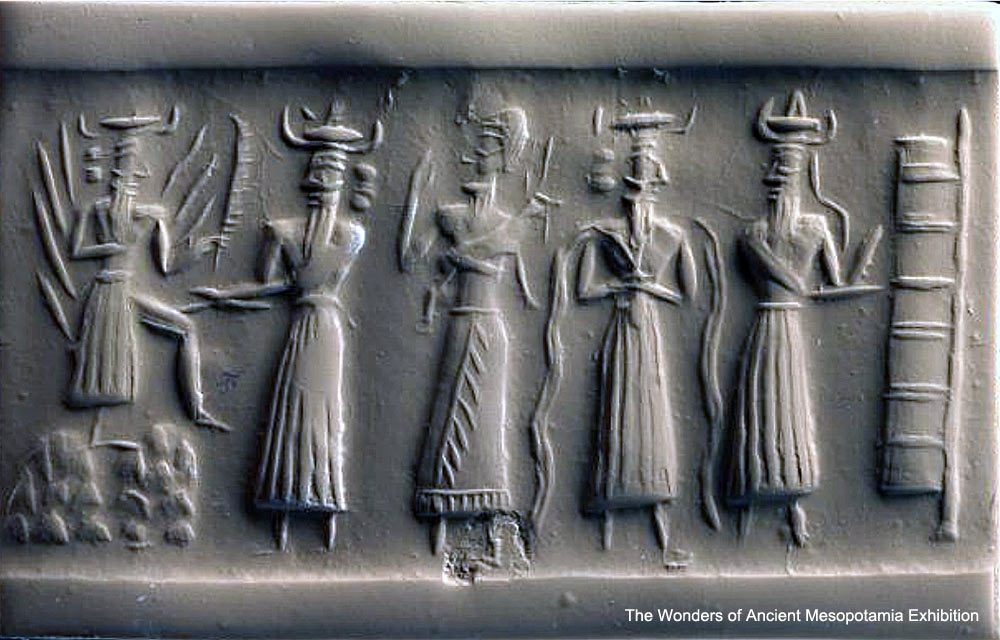 (Utu, Marduk, giant mixed-breed king, Enki, & scribe Nabu) For the god Nabû, po[werful, emine]nt, wisest of the gods, exalted, noble, scribe of everything, super[visor of the totality of heaven and netherworld], who makes opposing forces agree, who knows everything, splendid, perfect, who has gat[hered to himself all] the (divine) offices, who controls the omens, lord of skilful works, whose command is pre-eminent [in the assembly of the gods], his fathers, (one with) a far-reaching mind, whose heart none among the gods knows, supreme lord, who raises up lords (and) the fame of rulers,
 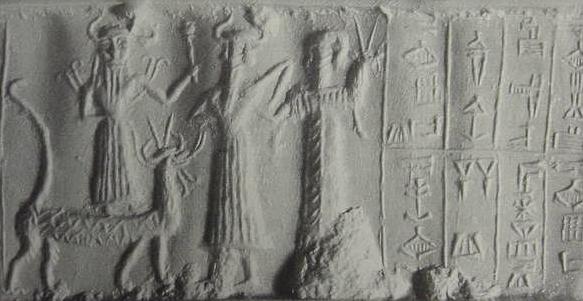 (Marduk, son Nabu, & mixed-breed descendant-king) who gives sceptre, throne, and reign, who confirms kingship, compassionate one, who bestows for future days power and victory;
 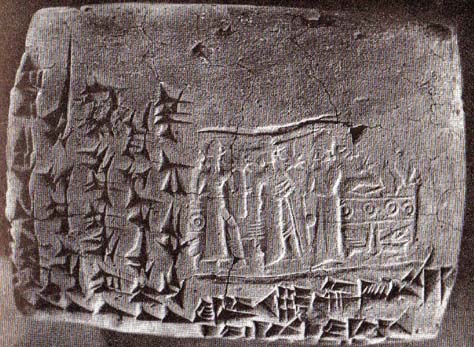 (Marduk, spouse Sarpanit, & son Nabu) most important son of the god Asari (Marduk), offspring of the goddess Erua (Marduk’s spouse Sarpanit) —
 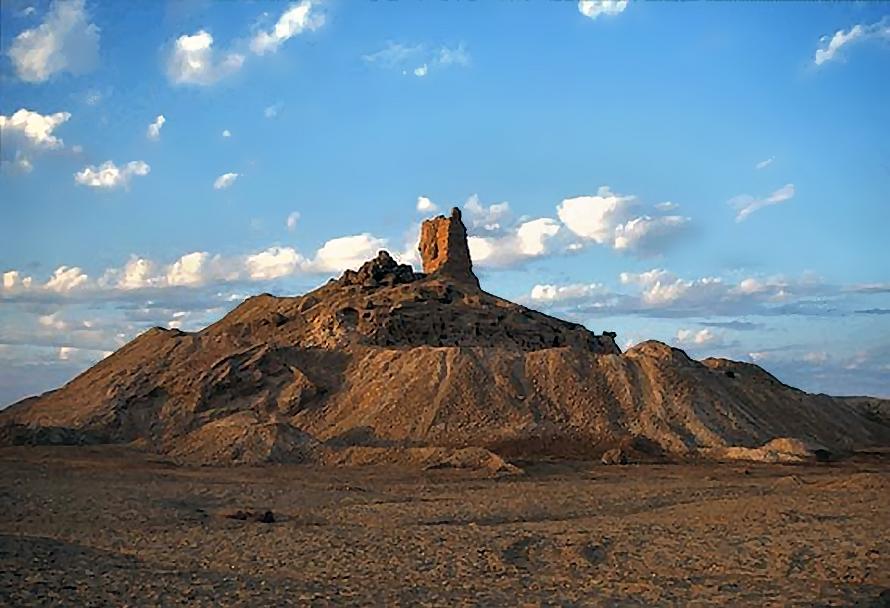 (Borsippa, Nabu’s Ezida, “True House” residence, a mud-brick mountain) queen (and) goddess of ladies — who dwells in Ezida — the true house, (located) in [Bor]sippa, the cult centre which is worthy of honour — great lord, my lord:
 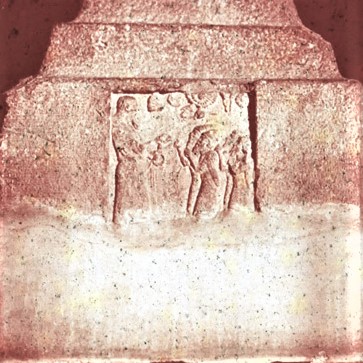 (giant god Marduk & mixed-breed Babylonian king) I, Šamaš-šuma-ukīn, [mighty] king, [ki]ng of Babylon, king of the land of Sumer and Akkad, wise viceroy, valiant prince, […], who reveres the lord of lords, wise vice-regent, true shepherd, [who is assid]uous toward the sanctuaries (residences) of the great gods, who (re)settl[ed Babyl]on, (re)built (Marduk’s) Esagila, (and) provides for (Nabu’s) Ezida; the one during whose [reign] the Enlil of the gods, the god Marduk,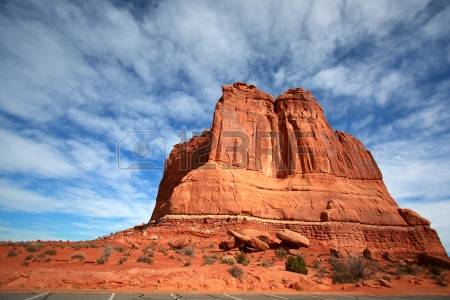
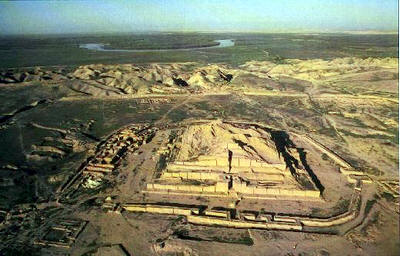 (Ezida in Borsippa; Esagila in Babylon) relented, entered Babylon amidst rejoicing, and took up his residence in Esagila forevermore; the one who (re)confirmed the regular offerings (in) Esagila (for) the gods of the land of Sumer and Akkad;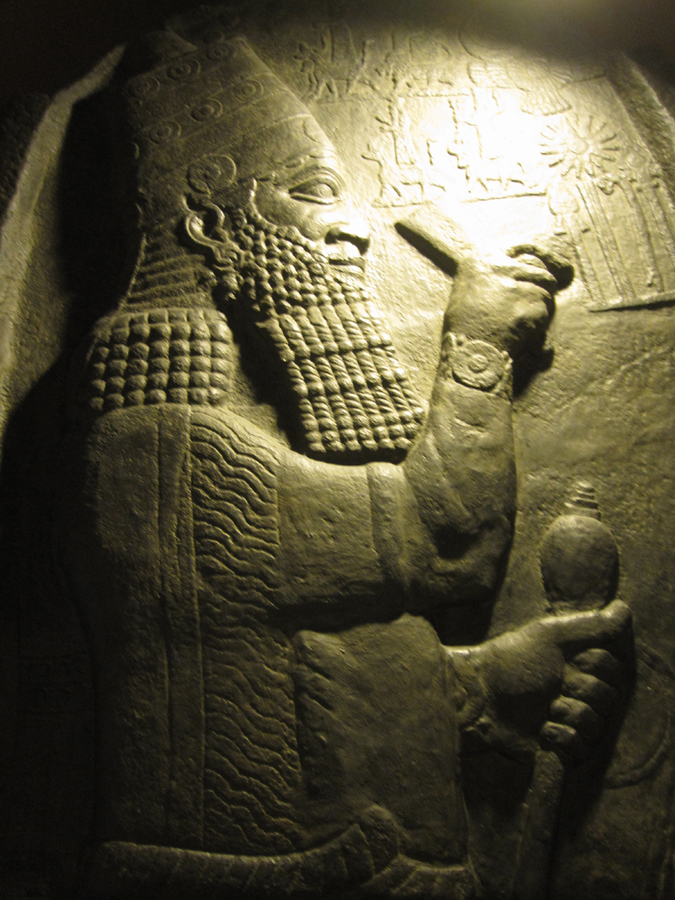
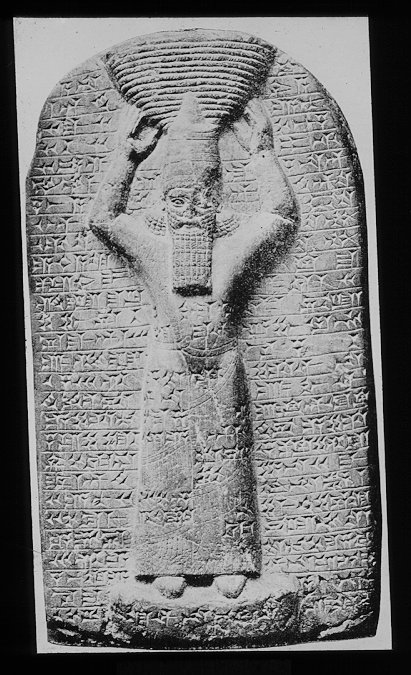
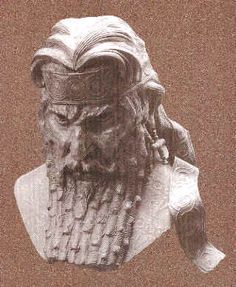
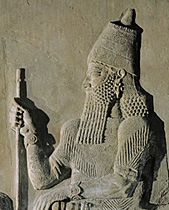 (Esarhaddon; Ashurbanipal; Sennicherib; & Sargon II mixed-breed descendant-kings) son of Esarhaddon, great king, mighty king, king of the world, king of Assyria, viceroy of Babylon, (and) king of the land of Sumer and Akkad; favourite (brother) of Ashurbanipal, great king, mighty king, king of the world, (and) king of Assyria; grandson of Sennacherib, great king, mighty king, king of the world, (and) king of Assyria; descendant of Sargon (II), great king, mighty king, king of the world, (and) king of Assyria;
 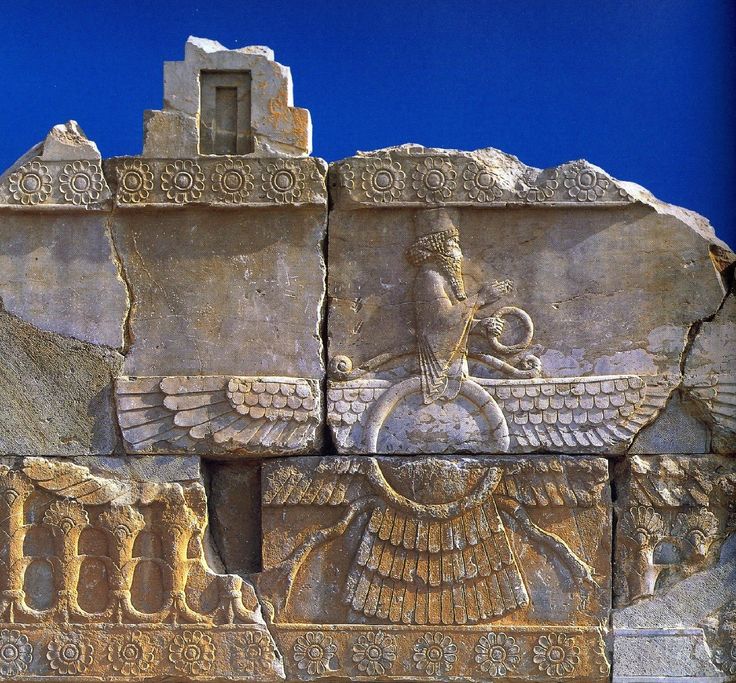 (giant alien god Ashur above the king in his winged sky-disc) descendant of the enduring royal lineage of Bēl-bāni, son of Adasi, scion (descendants) of Baltil (Aššur) (Ashur) —
 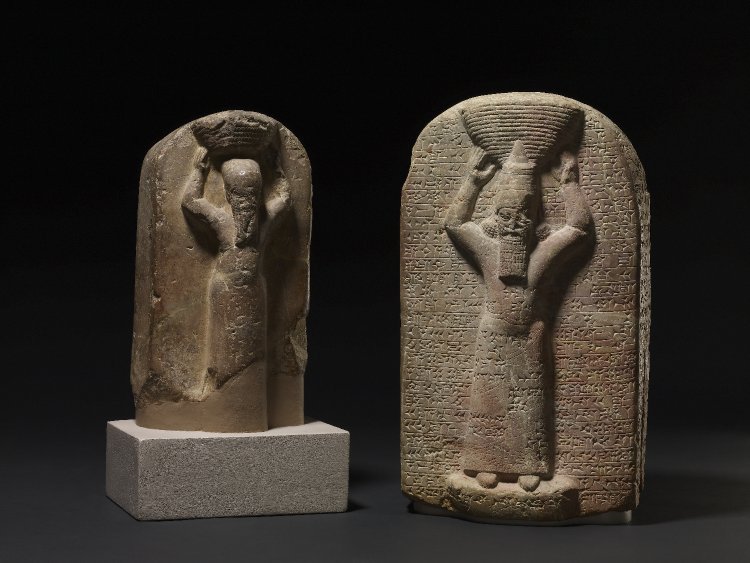 (mixed-breed brothers Ashurbanipal & Samas-suma-ukin) In order to ensure the good health of Ashurbanipal, king of Assyria, my favourite brother, to prolong (his) life, to ensure the well-being of (his) descendant(s), to confirm (his) reign, and to defeat (his) enemy, and, with regard to me, to ensure my good health, to prolong my life, to ensure the well-being of my descendant(s), to confirm my reign, (and) to ensure that I might have no illness, […] together,
 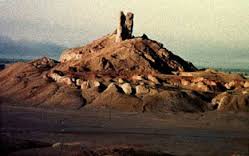 (Nabu’s Ezida, mud bricks high as a mountain in Borsippa) I had the storehouses of Ezida built anew and made (them) high as a mountain. May [any] future [pr]ince, during whose reign this work falls into disrepair (and) sustains damage, repair [its dilapidated state]! May he write my name with his (own) name, look at my royal inscription, [anoint (it) with oil], offer a sacrifice, (and) place (my royal inscription) with his (own) royal inscription!
  (Nabu statue unearthed in Nimrod) The god Nabû will (then) listen to his prayers. [(But) as for the one who] erases [my inscribed name or the name] of my favourite brother by some crafty device, [(or) destroys my royal inscription, or] changes its position and does not place (it) with his (own) royal inscription,
 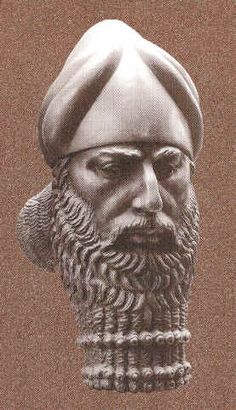 (Nabu with animal horn crown, patron god over Borsippa, a mini Babylon) may [the god Nabû, august lord], glare at him [ang]rily and make his name (and) his descendant(s) disappear from the lands!